
Beyond the Steak: Understanding the ritual of Argentine Beef in Benidorm
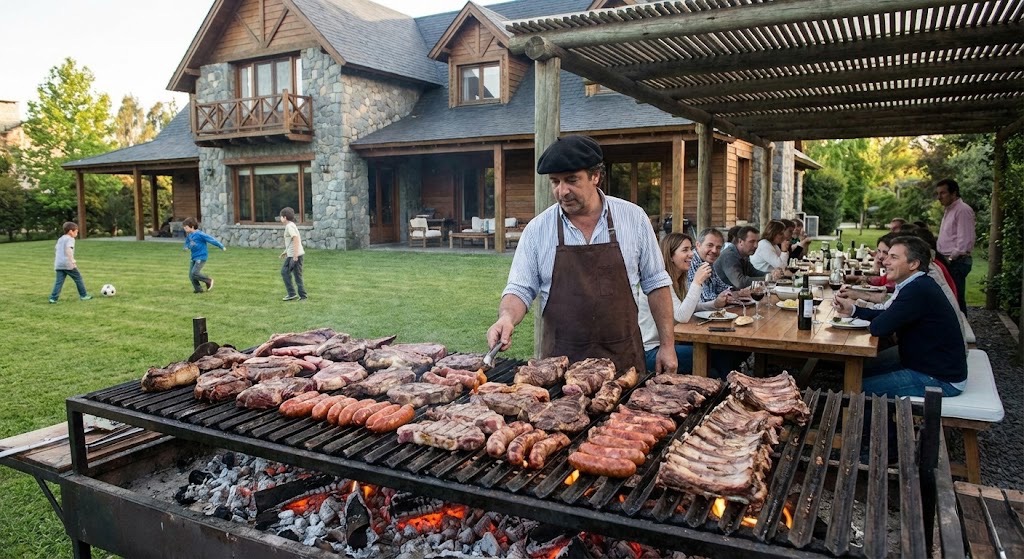
There is a distinct sound that signals the start of a good evening. It isn’t the clinking of glasses or the hum of music. It’s the sharp hiss of fat hitting hot iron, followed by the deep, rhythmic crackle of charcoal settling into glowing embers. If you close your eyes, that sound transports you straight to the grassy plains of the Pampas, the legendary home of world-class Argentine beef. But open them, and you are right here with us, at the start of Calle Gerona in Benidorm.
I’ve spent twenty years in hospitality, watching thousands of visitors navigate the culinary map of this city. I’ve seen too many good people settle for grey, microwave-defrosted meals simply because they didn’t know what to look for.
Today, we are stripping away the confusion. We aren’t just talking about dinner; we are talking about Argentine beef. It is widely regarded as the best in the world, but ordering it can feel like learning a new language. Consider this your passport to navigating an authentic asado (barbecue) without looking like a lost tourist.
The «Secret» Is in the Silence
Why is Argentine meat revered globally? It isn’t a marketing gimmick. It comes down to a slower pace of life.
In many parts of the world, cattle are grain-fed in crowded lots to fatten them up quickly. In Argentina, the tradition is pastoral. The cattle roam across vast, flat plains, eating natural grass. This lifestyle builds muscle and creates a leaner, more flavourful meat with a distinct mineral quality. It’s not just «beef»; it is a product of geography and patience.
When you sit down at La Parrilla de Hector, you aren’t just paying for a cut of meat; you are paying for that heritage. We treat the product with the respect it demands—seasoning only with salt to let the natural flavour sing, and cooking it over fire, never gas.
Local Tip: Real Argentine steak doesn’t need heavy sauces like peppercorn or mushroom to hide its taste. If a restaurant drowns your steak in sauce by default, be suspicious. The meat should stand alone.
The Dish Decoder: Navigating the Menu
This is where most UK travellers get tripped up. You know what a Ribeye or a Sirloin is, but the Spanish and Argentine terms can be confusing. Let’s decode the menu so you can order with the confidence of a Buenos Aires local.
1. Bife de Chorizo (Sirloin / Striploin)
Don’t let the name fool you; this has nothing to do with chorizo sausage.
What it is: The king of the steakhouse. It has a thick layer of fat along one side that renders down on the grill, basting the meat as it cooks.
Why order it: If you want that classic, firm steak texture with intense flavour. It’s reliable, juicy, and robust.
2. Ojo de Bife (Ribeye)
What it is: Taken from the rib section, this cut is heavily marbled with intramuscular fat.
Why order it: This is for the flavour hunters. The fat melts into the meat, making it incredibly tender and rich. It’s less «pretty» than a sirloin but tastes spectacular.
3. Lomo (Fillet / Tenderloin)
What it is: The leanest cut. It has almost no fat.
Why order it: If you prefer a texture that cuts like butter. It is milder in flavour than the previous two, but unparalleled in tenderness.
4. Tira de Asado (Short Ribs)
The Insider’s Choice.
What it is: Ribs cut crosswise. This is the cut you will see at Sunday family gatherings in Argentina.
Why order it: It requires gnawing around the bone, but the meat closest to the bone is the sweetest, most savoury bite on the cow. It’s chewy, fatty, and addictive.
5. Vacio (Flank)
What it is: A fibrous cut from the flank of the animal. It comes covered in a thin membrane that crisps up beautifully on the fire.
Why order it: This is the butcher’s favourite. It requires a bit more chewing, but the explosion of beefy juice is unmatched.
Tourist Trap Alert: «The Parrillada Mixta» Many tourist spots in Benidorm offer massive «Mixed Grills» for cheap prices. Be careful. Often, these are filled with low-quality sausages and tough cuts of pork to bulk up the plate. At an authentic spot, a Parrillada should be a curated selection of premium cuts, perfectly timed so nothing arrives overcooked. Quality always beats quantity.
The «Punto»: Getting the Temperature Right
Ordering your Argentine beef cooked correctly is arguably more important than the cut you choose. The definitions of «rare» or «medium» can vary wildly between the UK and Spain.
Here is how to bridge the gap:
- Vuelta y Vuelta (Blue): Seared outside, cold and raw inside.
- Jugoso (Rare to Medium-Rare): This is the sweet spot for Argentine meat culture. It’s warm in the centre, very red, and incredibly juicy. This is how we recommend eating Bife de Chorizo.
- A Punto (Medium): Pink in the middle, but the juices have started to settle.
- Cocido (Well Done): Honestly? As your concierge, I advise against this for premium cuts like Vacio or Ojo de Bife, as they can lose their magic. But, hospitality comes first—if you like it well done, we will grill it with care, ensuring it doesn’t turn into shoe leather.
The Ritual of the Table
Eating in Argentina—and at La Parrilla de Hector—is a social sport. It’s not about rushing through a meal before hitting the clubs on the strip. It’s about the «Sobremesa»: the conversation that happens after the food is gone but the wine is still flowing.
The Perfect Pairings
Do not overlook the Chimichurri. In the UK, you might be used to mint sauce or mustard. Chimichurri is different. It’s a blend of parsley, oregano, garlic, vinegar, and oil.
Crucial Rule: It is a condiment, not a marinade. Don’t pour it all over the steak immediately. Cut a piece of meat, dip it lightly, and taste. It’s meant to cut through the richness of the fat, not mask the flavour of the beef argentino.
And for the glass? Malbec. It’s the non-negotiable partner to beef. Its structure stands up to the smokiness of the grill.
Planning Your Visit to Calle Gerona
We are located right at the start of Calle Gerona. You know the area—it’s lively, it’s vibrant. But once you step through our doors, the tempo changes.
- Timing: Spanish dining hours apply. While we welcome early eaters, the atmosphere really comes alive after 8:30 PM.
- Dress Code: We are casual but smart. You’ve been at the beach all day; this is your moment to freshen up, put on a crisp shirt, and enjoy a proper evening out.
- Reservations: If you are a group of friends or a large family, booking ahead is vital, especially on weekends. We cook slowly, which means table turnover isn’t fast—we never rush our guests.
Finding high-quality argentine meat in Benidorm doesn’t have to be a gamble. It just requires knowing what to ask for. Whether you are craving the tenderness of a Lomo or the rustic flavour of a Tira de Asado, we are here to tend the fire for you.
Come hungry, leave happy.
Ready to taste the difference? Find La Parrilla de Hector at the beginning of Calle Gerona. Book your table today and experience the true taste of the Pampas.
Frequently Asked Questions (FAQ)
What is the difference between Argentine beef and regular beef?
Argentine beef is typically grass-fed on the open plains (Pampas), which results in leaner meat with a more intense, mineral flavour and healthier fat composition compared to grain-fed cattle.
What is the best cut of Argentine steak for flavor?
For pure flavour, the Ojo de Bife (Ribeye) or Tira de Asado (Short Ribs) are the best choices due to their fat content and proximity to the bone.
Do I need to book a table at La Parrilla de Hector?
Yes, we strongly recommend booking, especially for dinner or if you are visiting with a group. We take pride in our slow-cooking method, so tables are often occupied for the full evening experience.

